
Sciatica treatment in Leytonstone, East London
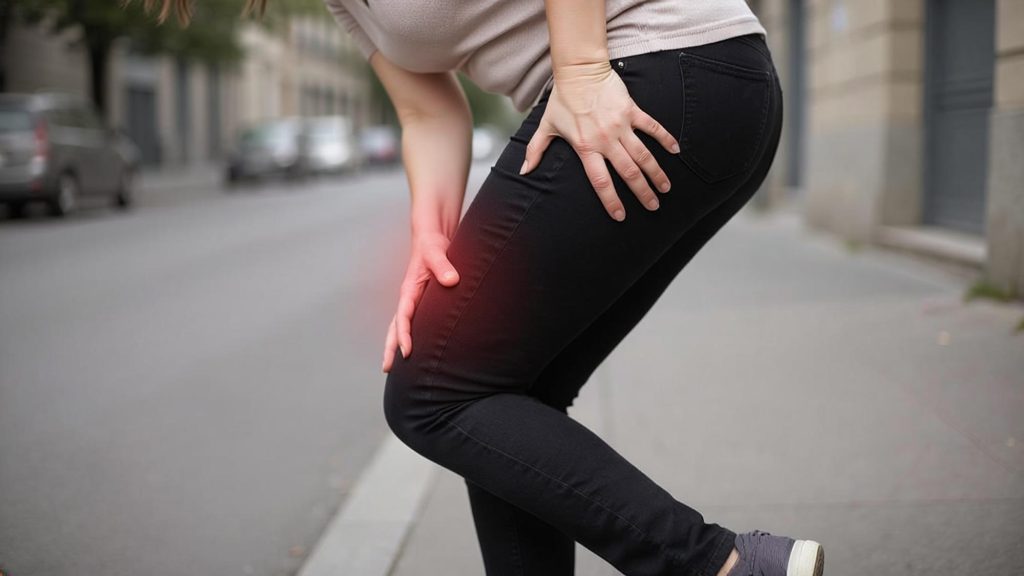
Sciatica is a common and often severe kind of pain that starts in the lower back or buttock and travels down the leg, sometimes as far as the foot. It happens when the sciatic nerve, the longest nerve in the body, becomes irritated or compressed. For many people it is not just painful but frightening, since the pain can be sharp, burning or shooting, and it can make ordinary things like sitting, standing or sleeping surprisingly hard.
The good news is that sciatica responds well to the right care in the great majority of cases, and osteopathy is well suited to identifying what is driving it and helping to ease it.
What does sciatica feel like?
Sciatica varies from person to person, but the common signs include:
- Pain radiating from the lower back or buttock down one leg
- A sharp, burning or shooting sensation, sometimes described as an electric shock
- Numbness, tingling or pins and needles down the leg or into the foot
- Weakness in the leg or foot
- Pain that worsens with sitting, coughing or sneezing
- Discomfort typically felt on one side of the body
What causes sciatica?
Sciatica is a symptom rather than a condition in itself, caused by something pressing on or irritating the sciatic nerve. Common causes include:
- A bulging or herniated disc in the lower spine
- Spinal stenosis, a narrowing of the space around the nerves
- Piriformis syndrome, where a deep muscle in the buttock irritates the nerve
- Degenerative changes in the spine that develop over time
- Pregnancy, where changes in posture and ligament laxity can put pressure on the nerve
It is often brought on or aggravated by prolonged sitting, heavy lifting, twisting movements, being overweight, or long periods spent driving. It is seen frequently in office and desk-based workers, drivers and delivery staff, tradespeople who lift and twist repeatedly, and anyone whose day involves long stretches sitting still.
How osteopathy can help
Treatment begins with a thorough assessment to understand exactly what is contributing to the irritation, since sciatica can have several different underlying causes and treatment works best when it addresses the right one. Depending on what is found, treatment may include gentle hands-on techniques to ease muscle tension and take pressure off the nerve, mobilisation of the lower back and hip to improve movement, and tailored exercises and stretches to support recovery and help prevent it recurring. Guidance on posture, movement and daily habits is also usually part of the picture, since small changes to how you sit, lift and move can make a real difference.
Most people find their sciatica eases significantly with the right care, though how quickly depends on the underlying cause and how long it has been present.
When to seek help sooner
Sciatica is usually manageable, but on rare occasions it can signal something more serious. Seek urgent medical attention if sciatica is accompanied by loss of bladder or bowel control, numbness around the genitals or buttocks, or significant weakness in both legs, as these can indicate a rare but serious condition requiring immediate assessment.
Frequently asked questions
How long does sciatica take to get better?
Many cases improve significantly within a few weeks with appropriate care, though this varies depending on the cause and how long the irritation has been present. An assessment can give a clearer picture of what to expect in your particular case.
Can I keep exercising with sciatica?
Often yes, though which activities help and which to avoid depends on the cause. Gentle movement is usually more helpful than complete rest, but guidance on what is safe for you specifically is part of a proper assessment.
Do I need a scan before treatment?
Not usually. Sciatica can typically be assessed and treated based on a thorough history and physical examination. A scan is only needed in a small number of cases, and this would be discussed if relevant.
Getting started
If sciatica is affecting your daily life, help is available.
Find out what to expect at your first appointment, or book an appointment to begin working out what is driving your pain and how best to treat it.
Book with Luke
Quick online booking, evening appointments available

A note before you read on
Claims relating conditions are made in line with Advertising Standards Authority (ASA) and CAP guidance on the evidence for osteopathic treatment. An individual assessment is the only way to establish whether treatment is suitable for you.
Read more about other conditions and treatments.