Why Leytonstone Osteopathy?
Registered
Full registration with the General Osteopathic Council. Your assurance of recognised training, comprehensive insurance and ongoing professional standards.
Established
Looking after Leytonstone's necks, backs and shoulders for over a decade. From sudden flare-ups to long-standing aches, few problems walk through the door that haven't been seen and treated before.
Local
The Leytonstone clinic is right in the heart of E11 and just two minutes from Leytonstone Underground, with step-free access. Early, daytime and evening slots available.
If you have never seen an osteopath before, the first visit can feel like a bit of an unknown. Here is exactly how it works, along with details of what follow up appointments are like.
What to expect at your appointment
About first appointments
Up to 45 minutes
Your first session is the longest, because it allows time to properly understand you before any treatment begins. There are roughly four parts to it.
Conversation
Talking through what has brought you in is always the first step, questions such as:
- When the pain started
- What makes it better or worse
- How it is affecting your day-to-day life
You will also be asked about other aspects of your medical status, including your:
- General health
- Any past injuries
- Medications
- Any other relevant medical history
This helps build a complete picture and make sure osteopathic treatment is appropriate for you.
Physical examination
To help you feel prepared, here’s what a typical physical assessment involves:
- You’ll be asked to do some simple movements to see how your body moves as a whole.
- Then an examination of the affected area more closely by hand, assessing the tissues and joints.
- You may be asked to undress to your underwear or change into shorts and a vest top — wear whatever feels comfortable.
- You’re welcome to bring a chaperone.
- If standard medical tests (e.g. blood pressure or reflexes) are appropriate, explanation will be made and your permission will be sought first.
Explanation and consent
Before any treatment starts, you’ll be told:
- What has been found
- What’s thought to be going on
- What’s being recommended to address it
The different treatment options will be explained, including what each involves, and any questions you have will be answered. Nothing happens without your informed consent, and you’re free to decline any aspect of treatment at any point.
Treatment and a plan
Provided you’re happy to go ahead, treatment usually takes place on the same day. It may include:
- Soft tissue work
- Joint articulation
- Gentle manipulation
- Stretching and movement guidance, tailored to you.
Each session finishes with simple advice and, where appropriate, a few home exercises so you can keep things moving between visits. You’ll also be given an honest indication of how many appointments are likely to be needed.
About follow-up appointments
Up to 30 minutes
Follow-up sessions are shorter and more focused, but follow a similar pattern to your first visit: a check-in on how things have changed, reassessment, treatment, and progression of your home exercises (if any).
More often than not, osteopathy works best over a course of a few sessions rather than a single visit, so one or more follow-ups will usually be recommended. That said, any recommendation is exactly that — a recommendation. There’s never any pressure to re-book, and the decision is always entirely yours. Most patients notice meaningful change within the first two or three sessions, though this varies depending on the condition and how long it has been going on.
Frequently asked questions
About osteopathy
What is osteopathy?
Osteopathy is a hands-on form of healthcare that focuses on the muscles, joints and connective tissue, and how they affect the way the whole body moves and feels. Rather than looking only at the spot where it hurts, an osteopath considers how the body works as a whole, since pain in one area often has its roots somewhere else entirely.
Treatment is physical and tailored to you, using techniques such as soft tissue massage, stretching, joint articulation and careful manipulation to ease pain, improve mobility and support the body’s natural ability to heal. It can help with a wide range of everyday problems, from back and neck pain to joint, muscle and postural complaints.
In the UK, osteopathy is a regulated healthcare profession. The title “osteopath” is protected by law, which means every osteopath must be registered with the General Osteopathic Council and meet strict standards of training, safety and professional conduct.
What is the difference between an osteopath and a chiropractor?
The two overlap a great deal. Both are hands-on, regulated professions that treat problems with the muscles, joints and skeleton, and both can help with similar complaints such as back and neck pain. The main difference is one of emphasis: osteopathy tends to take a whole-body view and draws on a broad mix of techniques, including soft tissue massage, stretching, gentle joint movement and manipulation, whereas chiropractic care traditionally focuses more on the spine and is particularly associated with quick spinal adjustments. In practice there’s a lot of crossover, and much depends on the individual practitioner.
In the UK, both “osteopath” and “chiropractor” are titles protected by law, with practitioners completing a four- to five-year degree and registering with their respective regulator — the General Osteopathic Council for osteopaths, and the General Chiropractic Council for chiropractors.
What conditions can osteopathy help with?
Osteopathy is best known for treating back and neck pain, but it can help with a much wider range of conditions. People commonly seek treatment for joint pain, muscle strains, sciatica, shoulder problems (including frozen shoulder), arthritis–related discomfort, postural issues, sports injuries, and tension-related headaches.
Because osteopathy looks at how the whole body moves and functions rather than just the site of pain, treatment can also support recovery from everyday aches, work-related strain, and pregnancy-related discomfort.
If you’re unsure whether osteopathy is right for your particular problem, feel free to get in touch. There’s always someone happy to talk it through before you book.
Does osteopathic treatment hurt?
Osteopathic treatment shouldn’t be painful, and most people find it relaxing. Many of the techniques we use, such as gentle stretching, soft tissue massage, and careful joint movement are comfortable and often soothing.
That said, if an area is already inflamed or tender, some techniques may cause mild, temporary discomfort, and it’s not unusual to feel a little sore for a day or two afterwards, much like you might after exercise. This is a normal part of the body’s response and usually settles quickly. It will always be explained what is being done, check in with you throughout, and adjust our approach to keep you comfortable. Nothing happens without your consent.
Appointments & treatment
What should I wear to my appointment?
Loose, comfortable clothing is ideal, the kind of thing you could move and stretch in easily. Osteopathy is hands-on, so being able to move freely helps, and it may be necessary to examine and treat areas like the back, shoulders or hips.
Depending on the area being treated, you may be asked to remove some outer clothing, so it is worth wearing underwear you feel comfortable in. Many patients like to bring or wear a pair of shorts and a vest top or loose t-shirt, which is perfectly welcome.
Your comfort and dignity always come first. Nothing will happen without your agreement and you are welcome to bring someone with you if that puts you more at ease.
How many sessions will I need?
This varies from person to person, as it depends on your condition, how long you’ve had it, your general health, and how your body responds to treatment. Some people feel a meaningful improvement after just one or two sessions, while longer-standing or more complex problems may need a longer course of care.
As a general guide, many patients notice a positive change within the first two or three sessions. After your initial appointment, the picture becomes much clearer, allowing a realistic plan tailored to you. Any recommendation is just that, though — there’s never any pressure to re-book, and the choice is always yours.
Is there a cancellation policy?
Life happens and appointments sometimes need to move. If you need to reschedule or cancel, please call 020 8281 0031 or email info@leytonstoneosteopathy.co.uk with as much notice as possible.
A minimum of 24 hours’ notice is kindly requested. This allows the slot to be offered to another patient who is waiting to be seen. Appointments cancelled with less than 24 hours’ notice, or missed without notice, will be charged the full appointment fee.
That said, if 24 hours’ notice isn’t possible, please still get in touch as early as you can. There’s often a waiting list of patients hoping for an earlier appointment, and if the slot can be filled, the cancellation charge will happily be waived.
What is your complaint handling procedure?
Cost & payment
How much does osteopathy cost at Leytonstone Osteopathy?
-
First appointment £80
Initial, up to 45 minutes appointments, if you haven't seen us before
-
Follow up appointments £65
For subsequent, up to 30 minute appointments
Can I use my health insurance?
Recognised insurers include WPA, Aviva, Vitality and Cigna. Please note that treatment is no longer available through BUPA or AXA PPP.
Before booking, it’s strongly recommended that you check the details of your policy. Many insurers require a GP referral before they’ll cover osteopathic treatment, and the number of sessions covered varies between policies. All patients are asked to settle their fees at the time of the appointment, and a PDF receipt is provided afterwards so you can claim the cost back from your insurer.
Do you take credit cards and other payment types?
All the main card types are accepted and can also accept digital wallet payments such as Apple Pay and Google Pay. Cash is also accepted. Please note that American Express is no longer accepted.

Visiting the clinic
How can I find the clinic?
Is there parking available at the clinic?
Leytonstone Osteopathy is directly opposite the carpark for Marks & Spencers / ALDI, where you can park your car, subject to the policies of the car park.
How accessible is the clinic?
- Entrance from the street
- Step-free, accessible ramp to the door
- Wheelchair height and reachable entry system
- Inside foyer
- Spacious, multi-person space for easy lift accessibility
- Lift to all floors
- Clinic floor (2nd)
- Wide hallways for easy access
- Waiting area
- Accessible toilet facilities
- Clinic room
- Spacious area for mobility challenged persons
- Privacy glass
Read more in the website accessibility policy and Luke’s article about clinic accessibility.
What facilities are there at the clinic?
The CECOS House clinic has been set up with comfort, privacy and easy access in mind, so every visit feels relaxed and straightforward from the moment you arrive.
Getting in and around is simple. There’s step-free access into the building through a wide, easy entrance, and a lift serves all floors, so there are no stairs to worry about. The comfortable waiting area sits right beside both an accessible toilet and the treatment room.
The treatment room itself is climate controlled, with air conditioning that keeps it at a comfortable temperature whatever the weather outside. Privacy is carefully looked after too, with privacy glass on the treatment room and a secure video entry system managing access to the building, so every session stays calm, private and undisturbed.
Altogether, the space feels welcoming, professional and easy to use, whatever your needs.
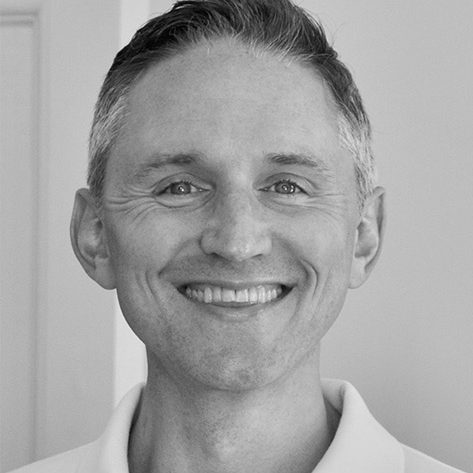
Book your appointment with Luke
Appointment prices
-
First appointment £80
Initial, up to 45 minutes appointments, if you haven't seen us before
-
Follow up appointments £65
For subsequent, up to 30 minute appointments
Book with Luke
Quick online booking, evening appointments available

Clinic hours
-
Mondays 08:00 - 19:00
-
Tuesdays 08:00 - 19:00
-
Wednesdays 08:00 - 19:00
-
Thursdays 08:00 - 19:00
-
Fridays 08:00 - 19:00
-
Weekends Closed