Knee pain treatment in Leytonstone, East London
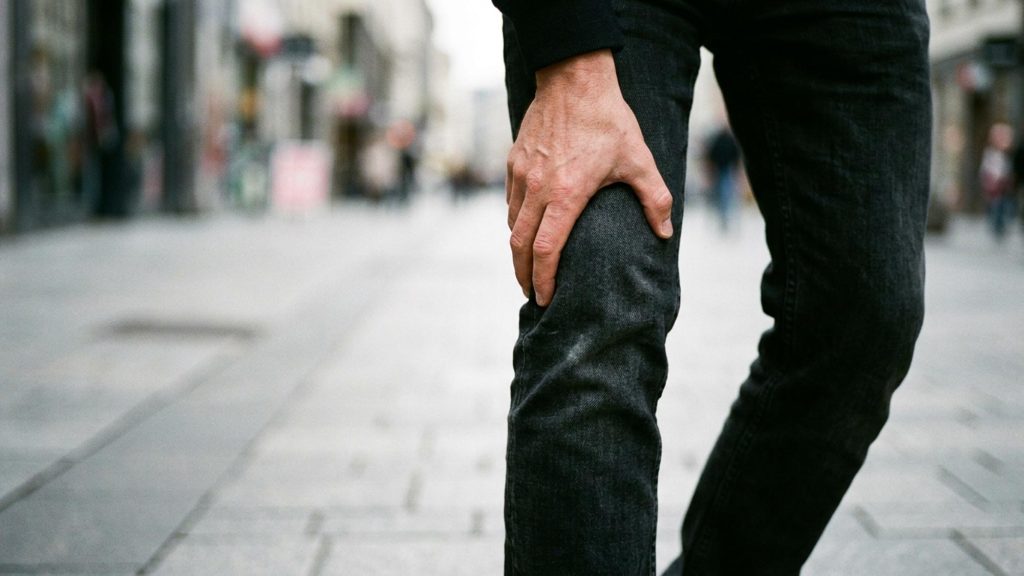
Knee pain is one of the most common complaints people bring to a clinic, and it is easy to see why. The knee takes a great deal of load every day, from walking and climbing stairs to sport and simply standing for long periods, and pain there can quickly make ordinary life feel difficult. For many people this shows up as joint pain linked to wear and tear, or osteoarthritis, though knee discomfort can build up for a range of reasons.
Osteopathy takes a whole-body view of knee pain, since the knee sits between the hip and the foot and is often affected by how the whole leg moves, not just what is happening at the joint itself. Treatment is well suited to easing joint pain and stiffness, and supporting general movement and comfort around the knee.
What does knee pain feel like?
Knee pain varies considerably depending on the underlying cause, but common signs include:
- Aching pain around, behind or beneath the kneecap
- Sharp pain with specific movements, such as twisting, squatting or climbing stairs
- Swelling or a feeling of warmth around the joint
- Stiffness, particularly after sitting for a while or first thing in the morning
- A sensation of the knee giving way, catching or locking
- Pain that builds gradually with activity, or comes on suddenly with a specific movement
What causes knee pain?
Knee pain can come from the joint itself, the surrounding soft tissue, or from how load is being transferred through the hip, knee and foot as a chain. Common contributing factors include:
- Overuse from running, cycling or repetitive activity
- Weakness or imbalance in the muscles supporting the knee, particularly around the hip
- Wear and tear in the joint that develops over time
- A sudden increase in training, or a change in footwear or running surface
- A previous injury that has altered how the knee moves or is loaded
- Prolonged periods of kneeling, squatting or standing
It is seen frequently in runners and cyclists, tradespeople who kneel or squat repeatedly such as flooring fitters and plumbers, retail and hospitality staff who stand for long shifts, and anyone returning to exercise after a period of inactivity.
How osteopathy can help
Treatment begins with a thorough assessment of the knee alongside the hip, foot and the way the whole leg moves, since knee pain is very often influenced by what is happening elsewhere in the chain, not the knee in isolation. Depending on what is found, treatment may include hands-on techniques to ease tension in the muscles around the knee, hip and lower leg, gentle mobilisation to support healthy movement in the joint, and a tailored programme of exercises to build strength and control, particularly around the hip, which plays a large role in how the knee is loaded. Guidance on activity, footwear and training load is often part of the picture too, since addressing what is driving the strain is usually as important as easing the pain itself.
Most people see a good improvement once the underlying contributing factors are identified and addressed, whether the aim is simply pain-free walking or getting back to running and sport.
When to seek help sooner
Knee pain is usually manageable with the right care, but it is worth seeking prompt medical assessment if it follows a significant injury with immediate, severe swelling, if the knee is unable to bear any weight at all, if it looks visibly deformed, or if it locks and cannot be straightened, as these warrant a closer look before hands-on treatment can begin.
Frequently asked questions
Do I need an X-ray or scan before treatment?
Not usually. Most knee pain can be assessed and treated based on a thorough history and physical examination. A scan is only needed in a smaller number of cases, and this would be discussed if it seemed appropriate.
Can I keep running or exercising with knee pain?
Often yes, in some form, though this depends entirely on what is causing the pain. Sometimes activity needs to be modified or temporarily reduced rather than stopped altogether, and this is exactly what an assessment helps to establish.
Is knee pain always about the knee itself?
Not always. The knee is heavily influenced by the strength and control of the hip and the way the foot moves, so treatment often looks beyond the knee to understand the full picture.
Getting started
Book with Luke
Quick online booking, evening appointments available
A note before you read on
Claims relating conditions are made in line with Advertising Standards Authority (ASA) and CAP guidance on the evidence for osteopathic treatment. An individual assessment is the only way to establish whether treatment is suitable for you.
Read more about other conditions and treatments.